

Dive into Adventure: Explore the Wonders of the Great Barrier Reef for Unforgettable Memories
- Ramada Cairns

- Jun 24, 2025
- 4 min read
Updated: Jul 14, 2025
The Great Barrier Reef is often called one of the world's most stunning natural wonders, stretching for 2,300 kilometres along Queensland’s coast. As the largest coral reef system, it showcases a dazzling array of marine life and breathtaking underwater scenery. Whether you enjoy diving, snorkelling, or simply lounging on sandy beaches, the Great Barrier Reef offers unforgettable memories for everyone.
This travel blog will guide you through the best ways to explore the reef, highlight thrilling activities, provide essential tips, and share unique perspectives to make your trip enjoyable and informative. Grab your snorkel gear and a sense of adventure as we dive into this magnificent underwater world!
The Fascinating World of the Reef
The Great Barrier Reef is home to diverse marine life that goes far beyond just colourful corals. Here, over 1,500 species of fish and 400 types of coral coexist with various creatures, from playful dolphins to graceful manta rays. Recognized as a UNESCO World Heritage Site since 1981, its ecological importance is immense.

The reef's vast expanse can even be seen from space, and each area offers a unique adventure. Whether you're wading through shallow lagoons filled with small fish or diving deeper for a chance to see larger marine creatures, each visit is a new experience.
The reef's ecosystems—including lagoons, rock pools, and mangroves—create varied habitats that support numerous species. Exploring these environments provides valuable insights into nature and its delicate balance.
Diving and Snorkelling Adventures
One of the most exciting ways to experience the Great Barrier Reef is by diving. With sites suitable for all skill levels, beginners can find shallow reefs, while experienced divers can plunge into deeper waters inhabited by pelagic species.
For beginners, several diving schools offer comprehensive training and safety measures. Getting up-close with stunning corals and vibrant fish will leave you in awe.
If diving seems too challenging, snorkelling is an excellent alternative. Just below the water's surface, you can still experience the beautiful coral formations and schools of colourful fish. It’s an activity perfect for families and seniors alike.

Numerous tour companies provide guided snorkelling trips, complete with equipment rental. Professional guides will take you to the best locations, ensuring that your adventure is safe and enriching.
Eco-Conscious Exploration
Visiting the Great Barrier Reef comes with a duty to protect its beauty. Eco-friendly tours minimize environmental impact, using small groups and low-emission boats.
To contribute to conservation efforts, follow these guidelines:
Avoid touching corals.
Use reef-safe sunscreen.
Do not collect shells or marine life.
Engaging in local conservation initiatives, such as guided eco-tours, helps support the environment while enhancing your travel experience. Many visitors also participate in beach clean-ups and citizen scientist programs, contributing positively to reef health.
Unique Experiences Near the Reef
While diving and snorkelling are standout attractions, exploring the wonders of the Great Barrier Reef offers other unique experiences. For example, consider taking a breathtaking helicopter tour for a bird’s-eye view of the reef’s splendour. You can also opt for island hopping in the stunning Whitsunday Islands, where white sand beaches meet crystal-blue waters.
For a relaxing evening, enjoy a sunset cruise on calm waters. Many of these adventures include drinks and snacks, providing a perfect way to wind down while watching the sky change colours.
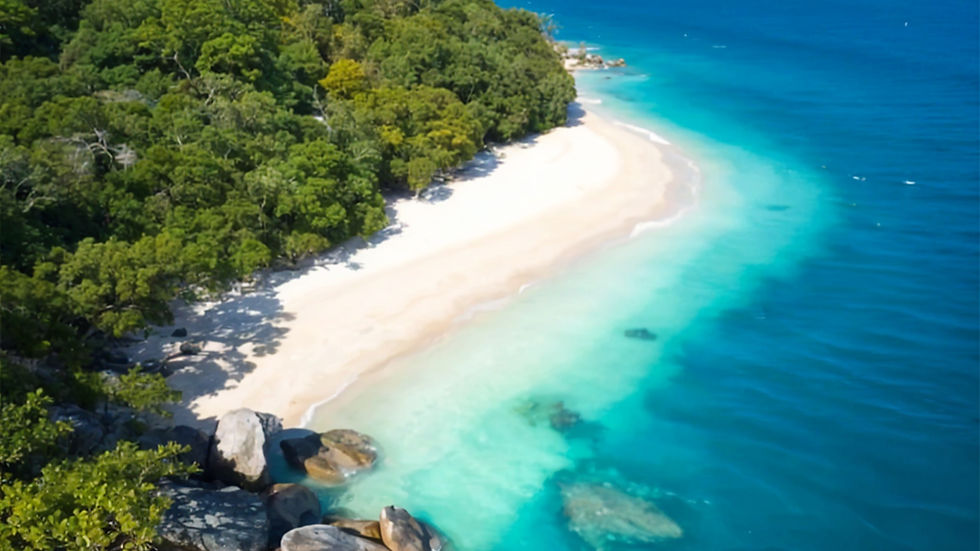
Visiting Fitzroy Island can also enhance your journey. Known for its serene beaches and peaceful vibe, it is an ideal spot to unwind after a day full of activities. Whether you relax by the beach with a good book or feast on local seafood, the tranquillity here is unmatched.
Planning Your Visit
Timing is crucial for a successful trip to the Great Barrier Reef. The best months to visit are between June and October, when the weather is cool and dry, ensuring excellent visibility for diving and snorkelling. Booking your tours and accommodations ahead of time is wise, especially during peak seasons.
Accommodations range from budget hostels to luxurious resorts, so there’s something for every traveller. Popular towns like Port Douglas and Cairns serve as gateways to the reef, providing convenient access to various tour operators. Find out more about Ramada by Wyndham Cairns City Centre's room packages here.
Also, consider travel insurance that covers reef activities. This provides peace of mind, allowing you to focus on enjoying your adventures without stress.
Final Thoughts About Exploring the Wonders of the Great Barrier Reef
The Great Barrier Reef captivates travellers worldwide, promising a wealth of experiences. Whether you dive into its dazzling depths, snorkel amidst serene waters, or explore quaint islands, the memories you create here will last a lifetime.
As you embark on your journey, remember the importance of protecting this unique ecosystem. Embrace the thrill of adventure, respect the environment, and enjoy exploring this stunning natural wonder.
From vibrant marine life to extraordinary landscapes, the Great Barrier Reef promises an adventure like no other. Dive into your next adventure today and let the beauty of the reef inspire your appreciation for our planet!


Comments